Trustworthy Home Builder: Building Your Ideal Home
Appointing a reliable home builder is an pivotal step in converting a idea into a concrete fact. This selection can greatly influence the building phase and overall satisfaction. Critical qualities like listening skills, extensive experience, and a robust reputation are crucial. Understanding these factors can create a more seamless experience. Still, many homeowners fail to recognize important aspects that can shape their process. What should they consider before taking this vital decision?
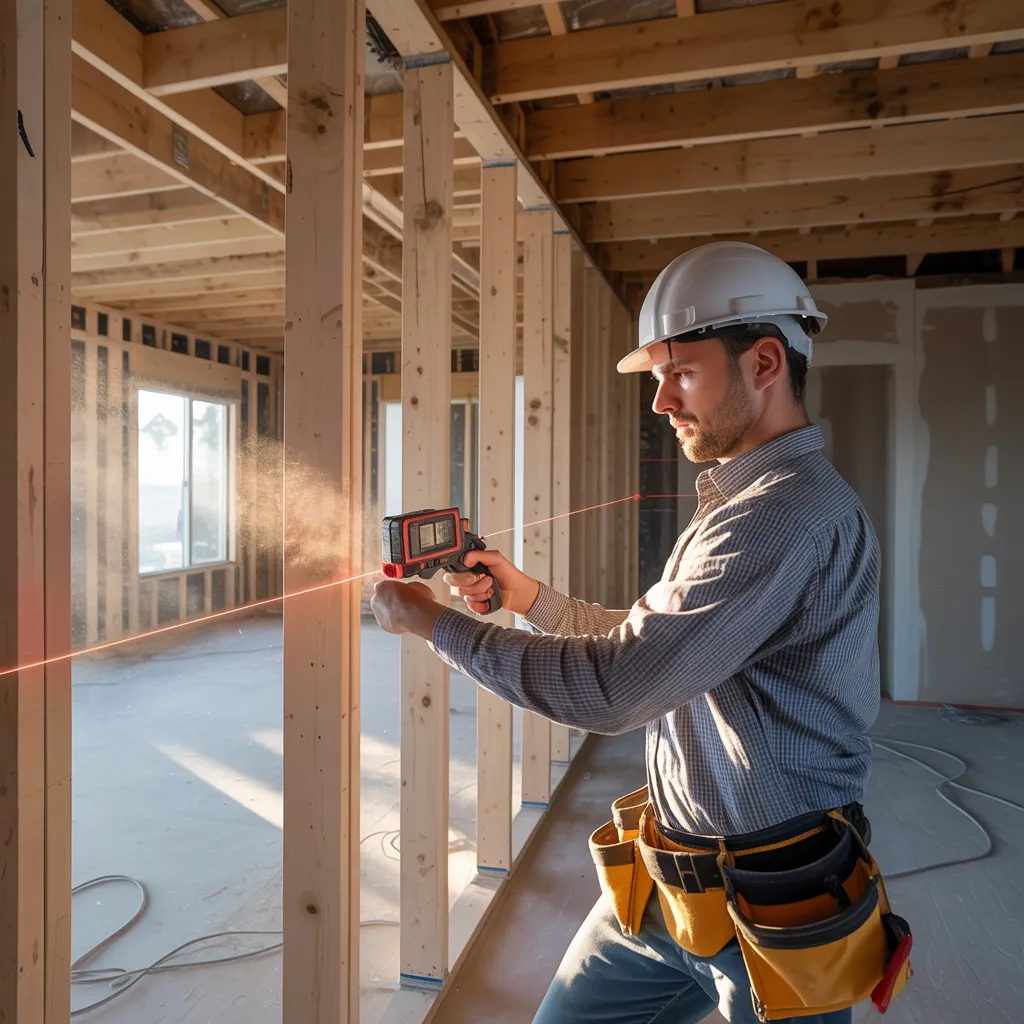
Key Attributes of a Dependable Home Builder
In choosing a home builder, the bedrock of a strong partnership originates in their core qualities. A trustworthy home builder exhibits superior communication skills, ensuring openness throughout the building process. They need to maintain extensive professional background, which prepares them to tackle obstacles and deliver superior work. Meticulous precision is one more crucial quality; it represents their dedication to quality workmanship and adherence to building codes.
Additionally, a reputable builder should build a dependable reputation, supported by positive assessments and client references. This reputation is often established on accountability and responsibility in honoring deadlines and spending constraints. Flexibility remains a critical factor, as a builder must be open to customer feedback and willing to modify proposals as necessary. All things considered, these qualities function together to foster a partnership-based setting, fundamental for making a customer's vision a working reality.
Benefits of Choosing the Right Builder for Your Dream Home
Choosing the right contractor greatly enhances the home building process, converting ideas into concrete outcomes. A skilled builder not only brings professionalism and expertise but also ensures adherence to timelines and budgets. This reliability fosters confidence for homeowners, knowing their investment is in capable hands.
In addition, a reputable builder often cultivates deep connections with suppliers and subcontractors, leading to excellent materials and expert installation. This can result in a more durable and efficient home, ultimately curtailing long-term ongoing maintenance expenses.
Furthermore, the right builder provides useful guidance during the design phase, tailoring the home to meet particular requirements and preferences. Their understanding of regional rules and construction standards can streamline the permitting process, minimizing hold-ups.
In the end, picking the ideal builder establishes a firm foundation for a prosperous undertaking, boosting pleasure and guaranteeing that the dream home becomes a reality.
What to Ready Yourself During the Home Building Journey?
What might property owners encounter during the home building journey? The process starts with an preliminary discussion, where property owners outline their aspirations and financial parameters with the builder. This stage often incorporates location selection and securing essential approvals, which can take time and call for patience.
Once scheduling is underway, the construction phase begins, involving groundwork, framing, and installation of utilities. Homeowners should be ready for regular updates and on-site visits to monitor progress. Challenges may arise, like weather delays or shortages of materials, which are common in the building workflow.
As the project draws to a close, homeowners will conduct final reviews, ensuring everything meets their standards. This experience culminates in the exciting moment of receiving the keys to their new home. Throughout this process, transparent dialogue with the builder is essential to address challenges and assure that the final result corresponds to the homeowner's vision.
Key Questions to Review Your Home Builder
When evaluating a home builder, it's crucial to assess their experience and credentials to guarantee they have a solid history of success. Moreover, evaluating their responsiveness and communication skills can offer understanding of how efficiently they will manage the construction process. Asking the right questions can help prospective homeowners make well-considered choices.
Expertise and Credentials
For potential home buyers beginning the process of constructing their ideal residence, comprehending a builder's experience and credentials becomes essential. Evaluating a builder's history of work is important; time spent in the field often indicate dependability and skill. Homeowners should inquire about finished work, emphasizing craftsmanship and aesthetics that align with their vision. Certifications and licenses further confirm a contractor's dedication to professional norms and regulations. Additionally, checking for affiliations with trade associations can shed light on the contractor's dedication to continuous learning and quality standards. Homeowners should also seek references from past clients to gauge satisfaction levels and project outcomes. Ultimately, appraising experience and credentials establishes a solid basis for a successful building partnership.
Communication and Responsiveness
How effectively a builder conveys information can greatly influence the home-building experience. Potential homeowners need to consider a builder’s responsiveness during initial inquiries. Questions to ponder are: How fast does the builder answer calls? Is the builder open to meeting in person to talk about project details? Strong communication does not merely creates trust but also guarantees expectations are aligned. Furthermore, ask about the methods used for updates during construction. Will homeowners be given frequent progress reports? Is there a process established for addressing concerns? A builder’s willingness to engage openly and consistently can show their commitment to customer satisfaction. In the end, clear communication and responsiveness are key to a smooth and successful home-building experience.
Tips for Evaluating Home Builder Testimonials
What elements should one consider when assessing home builder feedback? First, it is crucial to assess the source of the reviews. Trusted platforms or platforms with verified user experiences provide legitimacy to the comments. Next, potential buyers should look for patterns in the reviews. Recurring feedback regarding craftsmanship, communication, and timeliness can provide insight into the builder's reliability.
Additionally, distinguishing subjective opinions from objective facts is crucial. Statements about individual stories may vary widely, but specific information about craftsmanship or project completion can deliver important data.
Further, the pace of the reviews is critical; recent feedback often reflects a builder's current performance and practices. Finally, weigh the overall rating combined with individual reviews, as a high average may indicate a generally positive reputation despite a few negative experiences. By meticulously reviewing these factors, one can make a more strategic decision when selecting a home builder.
Tips for Establishing a Strong Connection With Your Builder
Building a robust relationship with a home builder relies on effective communication and transparent expectations. Establishing open channels for dialogue allows both parties to express concerns and updates throughout the construction process. Additionally, setting precise expectations from the outset fosters a collaborative environment, enhancing overall project satisfaction.
Open Communication Lines
Effective interaction acts as the cornerstone of a strong relationship between homeowners and builders. Establishing open communication channels supports clarity and trust throughout the construction process. Homeowners should prioritize regular check-ins, utilizing various methods such as emails, phone calls, or in-person meetings to guarantee that concerns are addressed timely. Builders, in turn, should provide updates on project progress and any potential challenges, promoting a two-way dialogue. This proactive approach helps to avoid misunderstandings and promotes a collaborative atmosphere. Additionally, homeowners should feel comfortable voicing questions or suggestions, while builders should remain open and responsive. By nurturing these open lines of communication, both parties can work together effectively, ultimately leading to a more satisfying home-building experience.
Create Concrete Objectives
When homeowners and builders establish transparent communication from the start, the groundwork for a strong relationship is established. This transparency helps both stakeholders comprehend project schedules, financial limitations, and aesthetic choices, reducing misunderstandings. Homeowners should articulate their concept and priorities, while builders must communicate feasibility and possible obstacles. Regular check-ins throughout the project guarantee that any adjustments are made collaboratively. Creating a comprehensive agreement that specifies responsibilities, deadlines, and billing arrangements further solidifies this understanding. By emphasizing transparency, both homeowners and builders can evaluation cultivate trust and accountability. In the end, establishing transparent guidelines not only improves dialogue but also supports a easier building project, resulting in the fulfillment of the homeowner's ideal residence concept.
Often Asked Questions
What Duration Should You Anticipate for the Home Building Process?
The home building procedure typically takes six to twelve months, based on factors such as design complexity, permitting, and climatic factors. Each undertaking varies, influencing total schedules and completion dates significantly.
Which Financing Choices Are Available for Home Building?
Various loan options for home construction comprise conventional loans, FHA loans, construction-to-permanent loans, and personal loans. Each option presents distinctive terms and guidelines, permitting individuals to select based on their financial situation and project requirements.
What About Making Changes Throughout the Construction Phase?
Yes, alterations can ordinarily be made during the construction timeline. However, the extent and feasibility depend on the stage of development, cost impacts, and the builder's policies, demanding transparent dialogue between the buyer and the builder.
What Warranties Do Builders Commonly Supply After Completion?
Builders commonly provide warranties covering structural defects, labor quality, and materials for a set period, often spanning one to ten years. These protection plans ensure safeguard against possible complications that may surface post-completion of the construction.
How Are Construction Delays Communicated to Homeowners?
Construction setbacks are regularly notified to homeowners through continuous communications through telephone or email contact. Contractors could additionally provide formal documents explaining the reasons for postponement, projected completion dates, and corrective actions being implemented to address the issues.